Carp Fishing
How to Map a Carp Swim: Feature Finding That Helps
How to use a lead (and a marker if you need one) to find depth, silt, gravel and weed, then put a hookbait on a spot you can hit again.


Rigs are where carp anglers tie themselves in knots, often literally. Walk into any tackle shop and you will find a wall of rig bits and a hundred opinions on how to use them. The truth is simpler. A handful of rigs, tied well and fished in the right place, will catch you the vast majority of your carp. Master these four and you can cover almost any water in Romania or anywhere else.
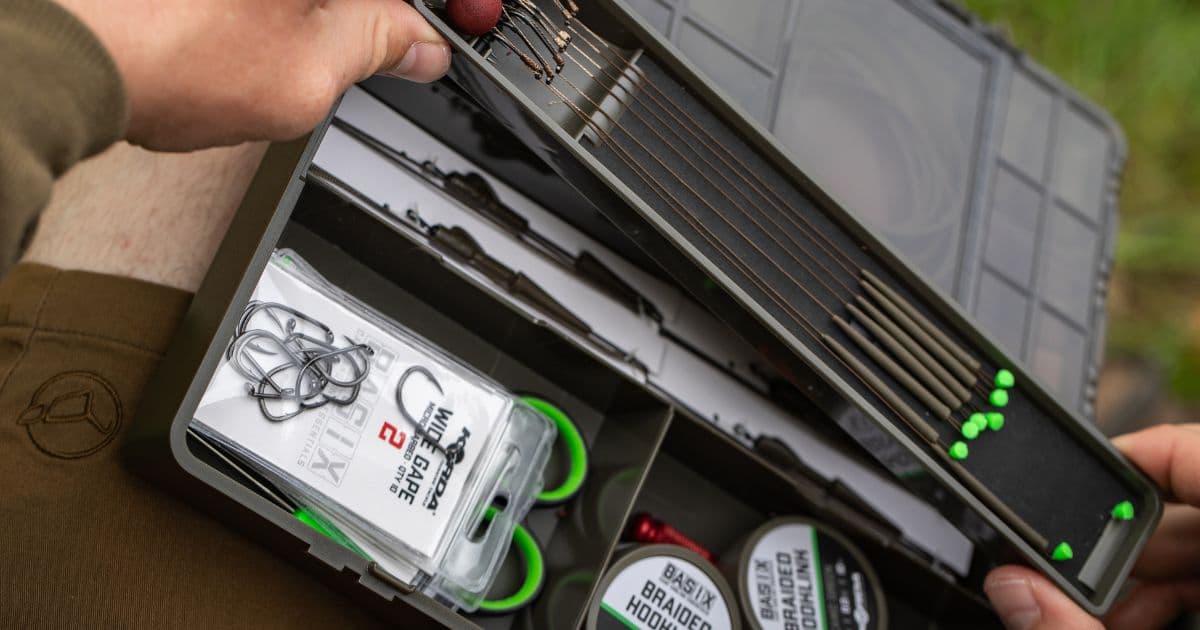
A carp rig has one job, which is to get a sharp hook into the bottom lip of a fish that has sucked in your bait and keep it there. Everything else, the clever components and the fancy names, is just a way of making that happen on a particular lake bed. Before you obsess over rig choice, get three things right:
If you are completely new, start with our carp fishing for beginners guide, then come back here.
This is the rig that has caught more carp than all the others put together. A boilie sits on the lake bed on a short hair off the back of the hook.
If you only ever learn one rig, learn this one well.
Here the hookbait floats just above the lake bed, balanced by the weight of the hook and a small bit of putty. It sits up over light debris and is harder for a carp to eject.
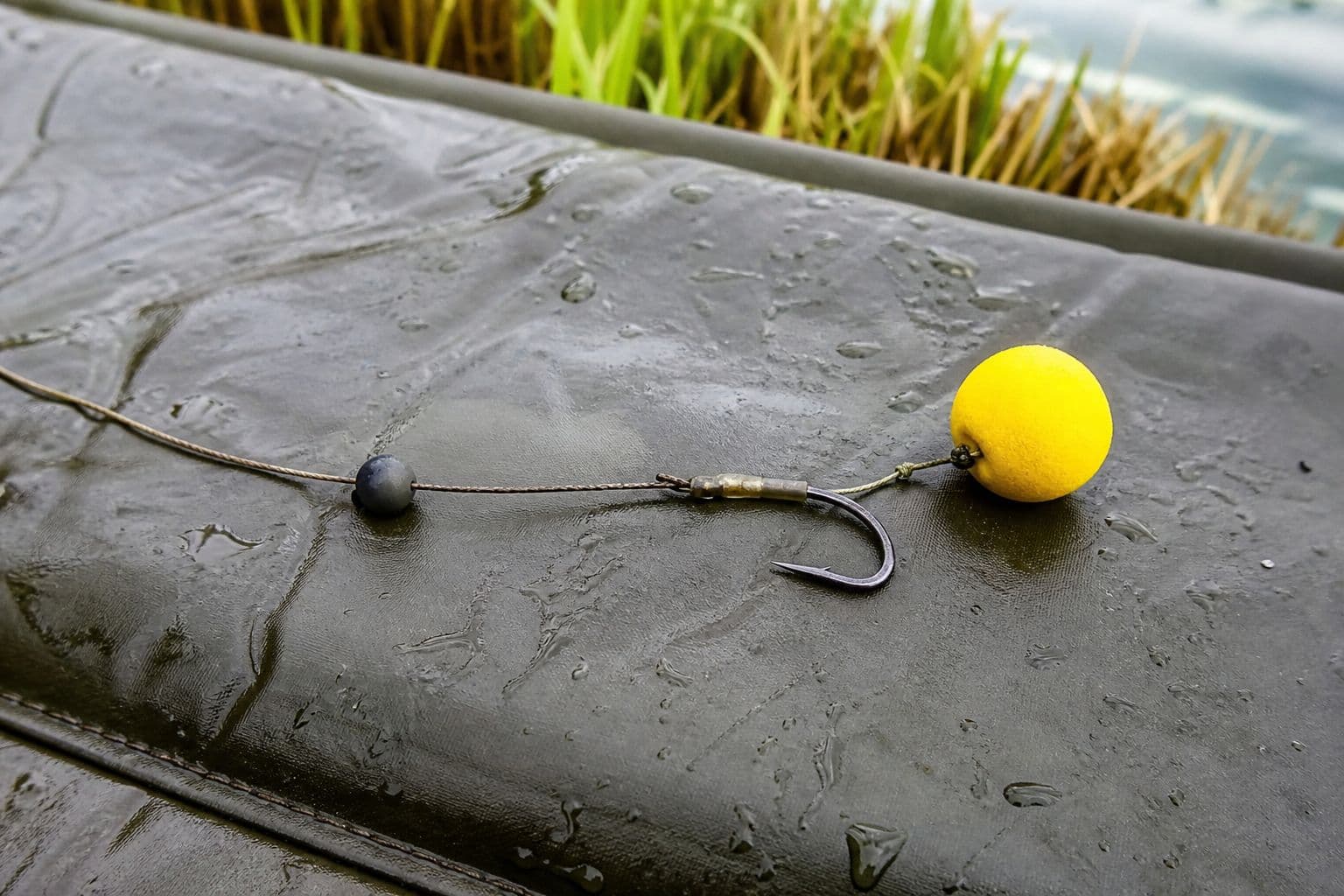
A bottom bait with a smaller pop-up stacked on top, like a little snowman. The pair sits semi-balanced, so it behaves naturally but is easy for the fish to suck in.
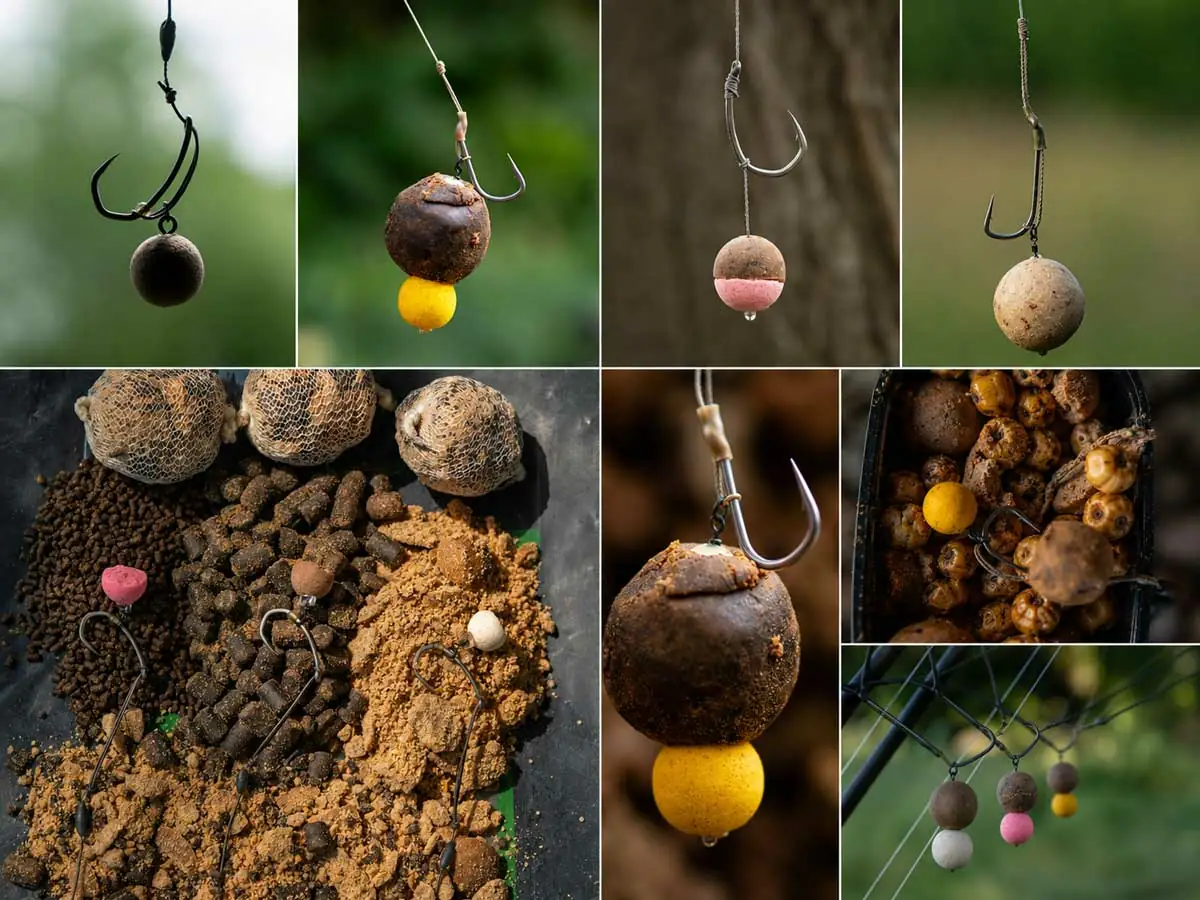
A long hooklink fished off the lead with a tiny foam or pop-up hookbait set to a chosen depth, catching carp that are cruising in the upper layers rather than feeding on the bottom.
Skip the gadget overload. Focus on:
Once your rig is right, the bait over it matters just as much. See the best carp baits and how much to feed. For how it all comes together on the day, day ticket carp fishing.
Ready to put a rig to work? Find carp lakes or start from carp fishing in Romania.
What is the best carp rig for beginners? A simple bottom bait (basic hair rig) with a boilie on a size 8 hook. It is forgiving to tie, works on most lake beds, and accounts for huge numbers of carp.
When should I use a pop-up instead of a bottom bait? When the bottom has light weed, leaves or soft silt that would hide a bottom bait. A balanced pop-up sits up where the carp can find it.
What is a snowman rig? A bottom bait with a smaller pop-up stacked on top. It gives the visibility of a pop-up with the confidence of a bait on the deck, and is easy for a carp to suck in.
What is a zig rig and when does it work? A long hooklink with a tiny buoyant hookbait set high in the water. It works on warm, settled days when carp are cruising in the upper layers and ignoring the bottom.
How long should the hair be on a hair rig? Just long enough to leave a small gap (a few millimetres) between the bait and the bend of the hook, so the hook is free to turn and take hold.
Do expensive rig components catch more carp? No. A sharp hook, the right lead setup and good presentation matter far more than premium gadgets. Keep it simple and tie it well.
How often should I change my hook? The moment it loses its point. Test it against your thumbnail; if it does not bite in, retie. A sharp hook is the cheapest upgrade in carp fishing.

About the author
Alex Marin
Carp angler & contributor
Alex has carp-fished for more than 20 years on private lakes, reservoirs and rivers in Romania and across Europe. He writes about the tactics that actually get used on the bank.
Carp Fishing in Romania: Lakes, Permits & Best Waters
A guide to carp fishing in Romania, covering how private lakes work, the best regions and rivers, permits and close seasons, and how to find and book a carp lake online.
The Best Carp Baits and When to Use Them
The best carp baits explained, from boilies, pellets, sweetcorn and particles to how much to use and how to match your bait to the season for more bites.
Cookies on LakeBooking
We use strictly necessary cookies to sign you in and process payments securely. Optional ones (interactive maps and referral attribution) only run if you agree. Details in our Cookie Policy.