Carp Fishing
How to Map a Carp Swim: Feature Finding That Helps
How to use a lead (and a marker if you need one) to find depth, silt, gravel and weed, then put a hookbait on a spot you can hit again.


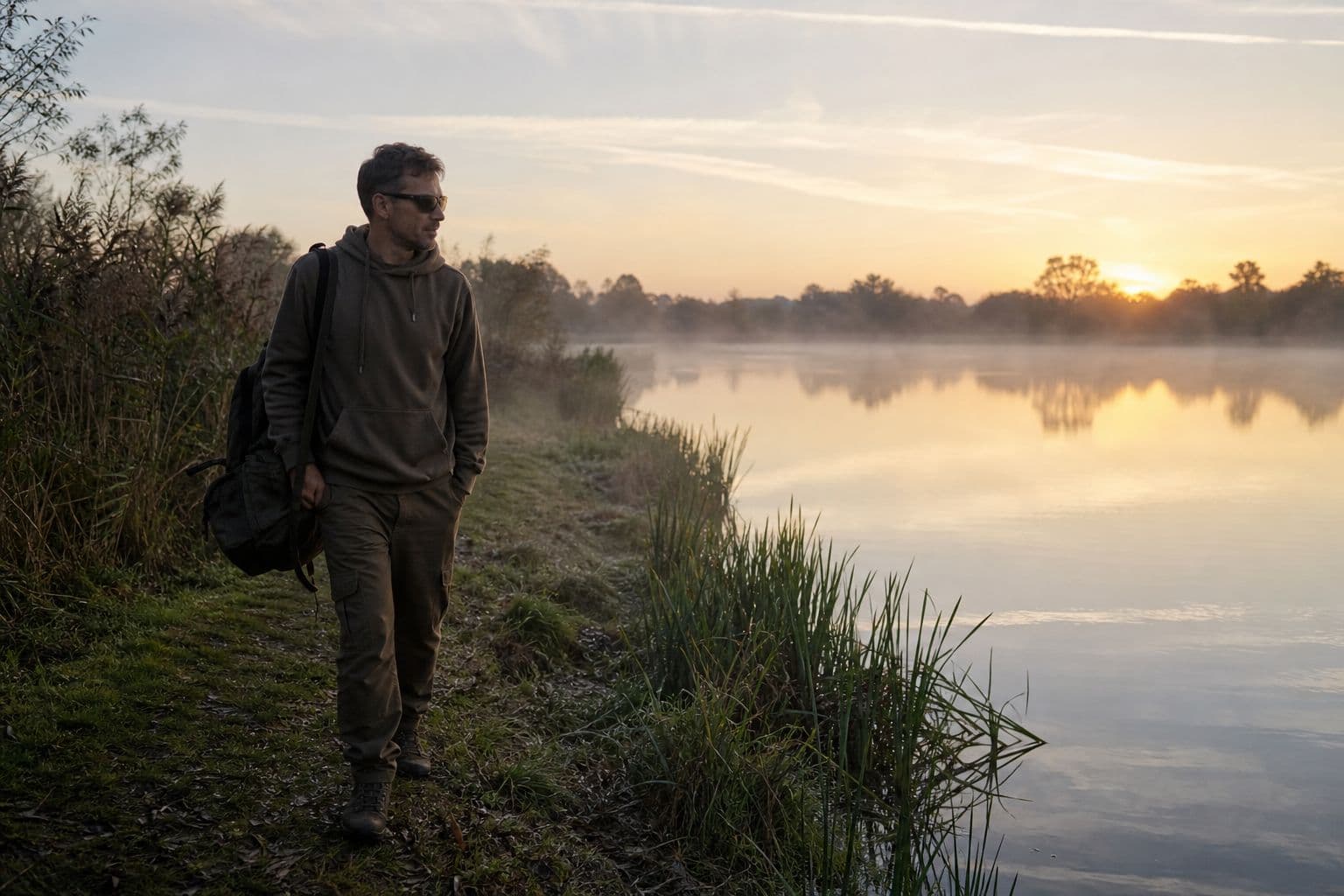
A sharp hook in the wrong swim still blank. A simple hair rig in the right one catches. Watercraft is the skill of deciding where the carp are before the bivvy goes up, and then checking that decision for the rest of the session. Most anglers skip it. They unload by the first flat bank, cast to the middle, and spend the day hoping.
This is how to read a carp lake so the first cast has a reason.
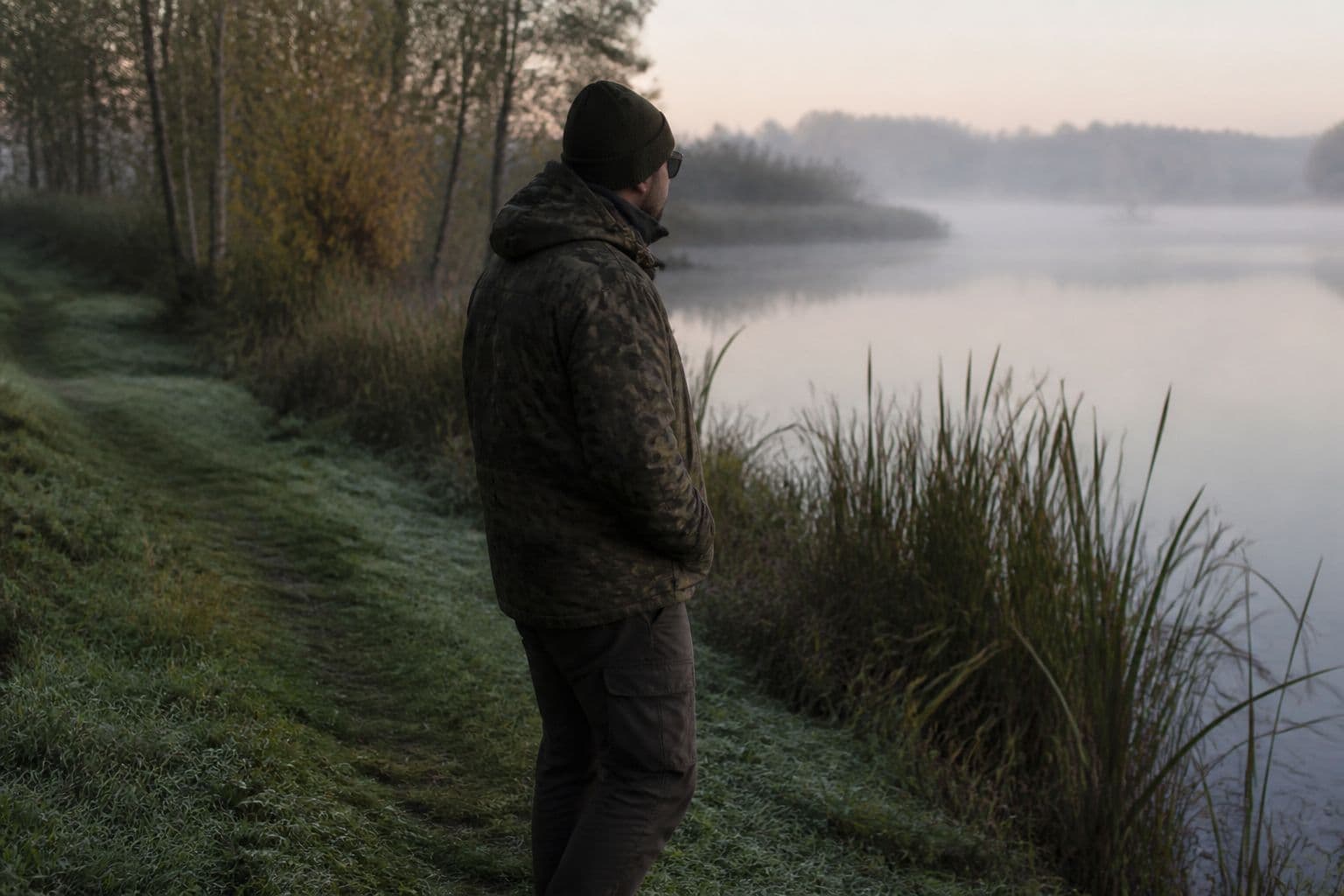
On a day-ticket lake, the car park swim is popular because it is convenient, not because it is right. Give yourself 20 to 40 minutes with polaroids, no rods, and a slow lap.
You are looking for three things, in this order:
If you see carp, that argument is over. Fish for the fish, even if the swim is awkward, even if it is not the one you booked in your head. Location beats comfort.
If you see nothing, do not panic and default to open water. Use the conditions to make a predicted location, then watch that area while you set up. Carp often show in the first hour after you arrive, once the bank has gone quiet.
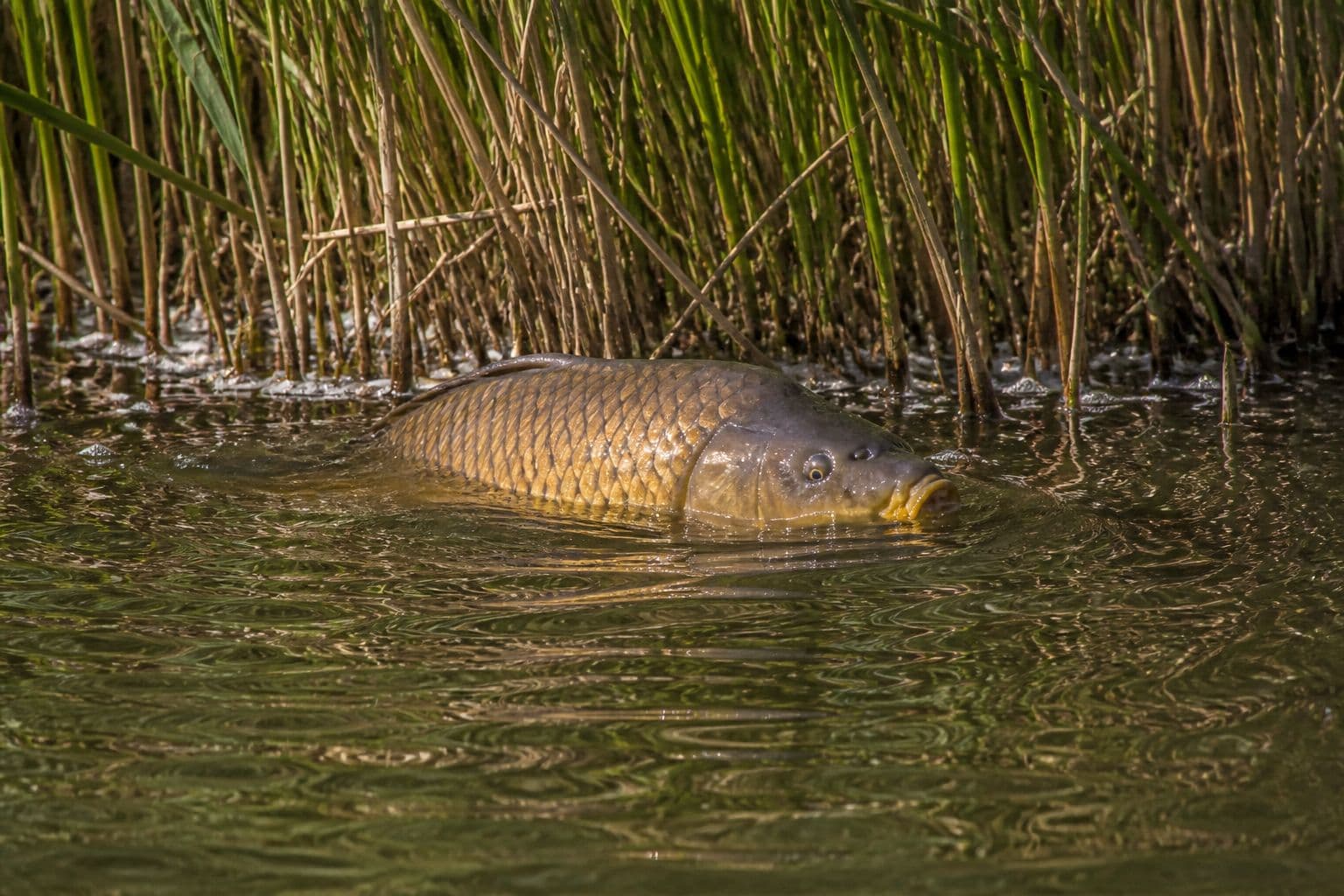
Shows are not all equal. Read them instead of just counting them.
No shows does not mean no fish. In cold water, high sun, or on a pressured day-ticket, carp sit and hardly break the surface. Then you fish the prediction, meaning warm wind, features and depth that matches the season. And you watch harder, not less.
The working rule in warm months is to fish a new, mild wind. A south or westerly that has been pushing onto a bank for a day or so loads that water with warmth, dissolved food and oxygen. Carp follow it. Fishing into a warm wind is rarely comfortable and often correct from late spring through autumn.
Break the rule when:
If a new warm wind is due tomorrow and you have a two-night session, consider setting up on the bank it will hit, even if today looks wrong. Carp move onto a new wind faster than most anglers re-pitch.
Carp use structure because it offers food, security, or a change in depth. The useful list is short:
What looks good from the car park and often is not:
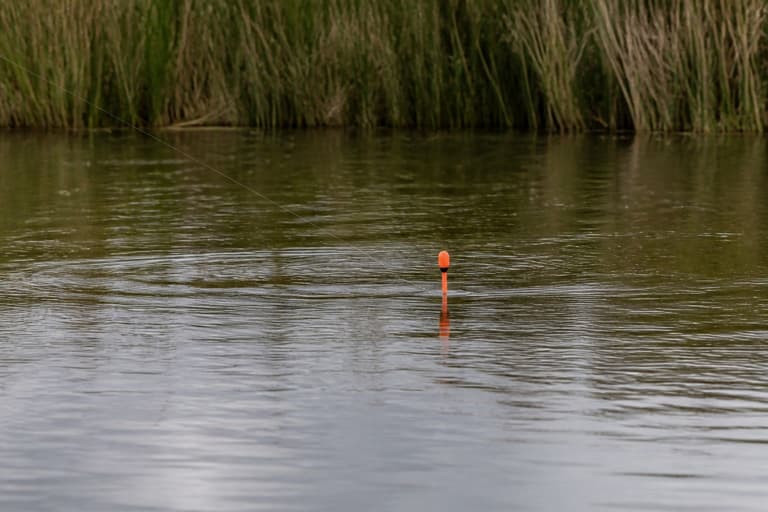
Once you have chosen a swim, the next job is putting a bait on a specific piece of that swim, not "out there". That is feature finding, which means depth, bottom, and a spot you can hit again.
On a busy Romanian day-ticket, other anglers are a feature. Carp learn the obvious casts.
Reviews and catch reports on a lake page tell you what came out last week. They do not tell you where the fish are this afternoon. Use them to understand stock and typical sizes; use your eyes for location.
Beginners who want the gear and a first rig first should start with carp fishing for beginners. The lake choice that makes all of this easier is in best carp lakes for beginners.
Watercraft is easier on a water that actually holds carp and lets you walk it. Search carp lakes, or start from carp fishing in Romania and pick a region. On each listing, the swim photos, rules and recent catch reports tell you whether you can lap the bank, whether nights are allowed, and whether the stock is the "plenty of bites" kind or the "one fish a week" kind.
What does watercraft mean in carp fishing? Reading a lake well enough to know where carp are likely to be before you cast. It covers shows, wind, features, pressure and how those change through a session.
Should I always fish into the wind? In warm weather, a new mild wind is a strong starting point. Skip it when the wind is cold, has blown for days, or you have actually seen fish elsewhere.
How long should I walk before I set up? Until you have either seen fish or made a reasoned prediction. Twenty minutes is a minimum on a small lake; longer on a water you have never fished.
What if I never see a show? Fish the conditions and the features, watch the water while you fish, and treat liners and bubbling as information. Absence of shows is common on pressured and cold waters.
Is the car park swim always wrong? No. Sometimes the fish are there. It is wrong when you choose it only because it is close. Walk first; if the fish are in front of the car park, enjoy the short barrow.
Do I need a marker float to read a lake? Not to choose a swim. Eyes, polaroids and the wind do that. A marker or a bare lead is for mapping the swim after you have chosen it.

About the author
Alex Marin
Carp angler & contributor
Alex has carp-fished for more than 20 years on private lakes, reservoirs and rivers in Romania and across Europe. He writes about the tactics that actually get used on the bank.
Day Ticket Carp Fishing: How to Find and Book a Lake
Day ticket carp fishing in Romania, made simple. Learn how day permits work, what you need, the gear and bait to bring, and how to find and book a carp lake online.
Carp Fishing Weather: Wind, Pressure and Temperature
How wind, air pressure, rain and water temperature change where carp sit and how they feed, and what to do when the forecast looks "wrong".
Cookies on LakeBooking
We use strictly necessary cookies to sign you in and process payments securely. Optional ones (interactive maps and referral attribution) only run if you agree. Details in our Cookie Policy.