Carp Fishing
How to Map a Carp Swim: Feature Finding That Helps
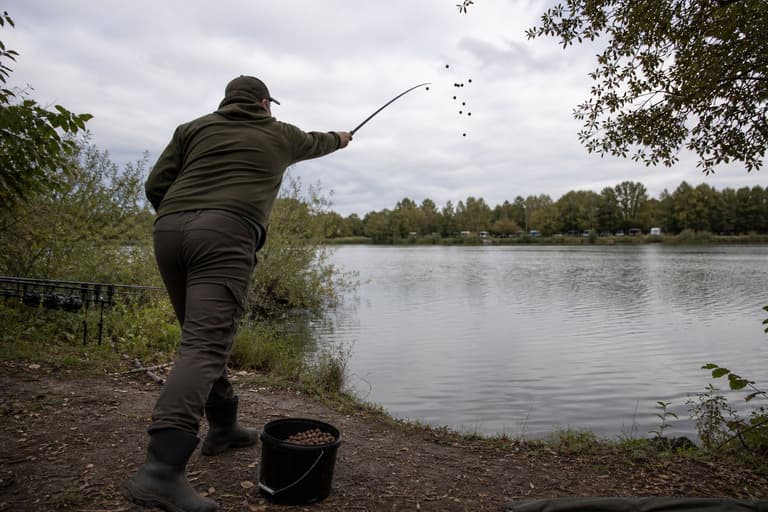
How to use a lead (and a marker if you need one) to find depth, silt, gravel and weed, then put a hookbait on a spot you can hit again.


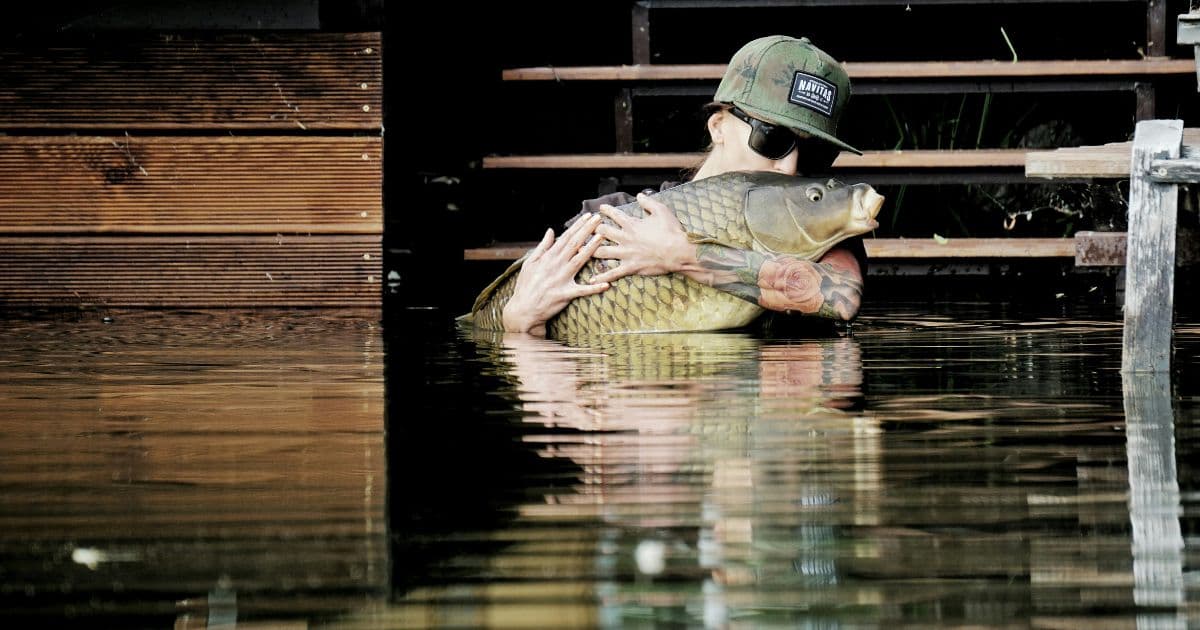
A day ticket lake is the simplest way into carp fishing. No waiting list, no joining fee, no committee to impress. You pay for the day (or the night), you turn up, and you fish. For most of us that is how it started, and plenty of good anglers never feel the need to go further.
In Romania most carp fishing happens on private lakes that work exactly this way. You buy a day or session permit and fish under the lake's rules. Get a couple of basics right and you will spend your day fishing instead of sorting things out on the bank.
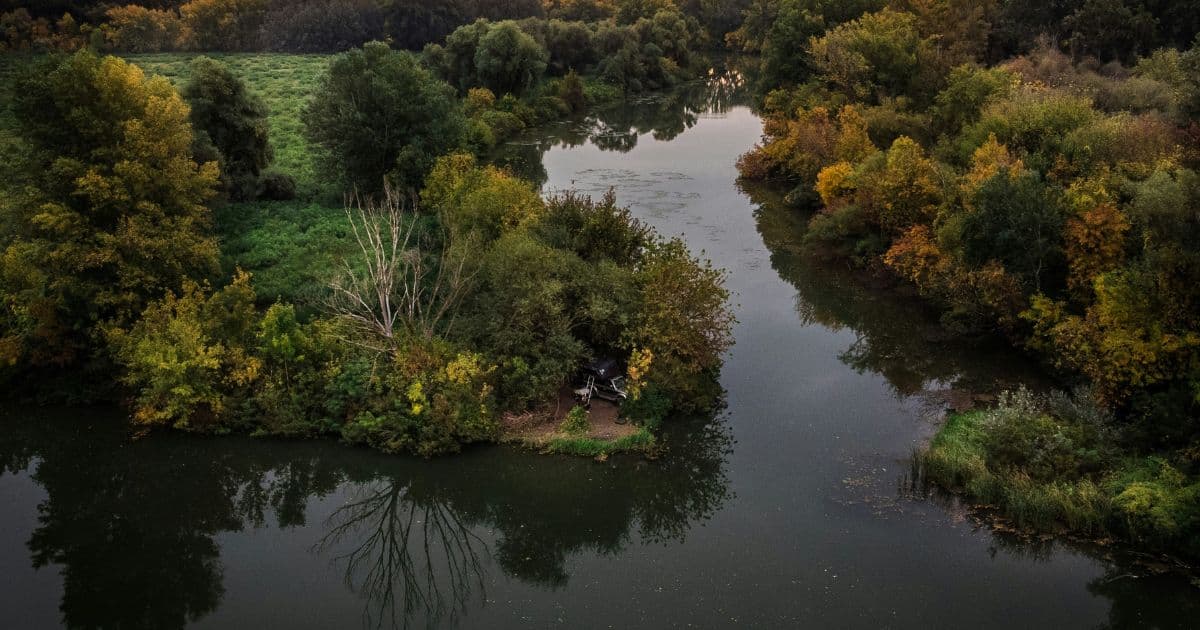
A day permit is permission from the lake to fish for a set period. It is set by the owner who runs the water, and it usually comes with rules attached (barbless hooks, a decent unhooking mat, no high-risk baits, that sort of thing). Read them before you cast, because the bailiff will check.
If you are new, start on a day permit lake. You will learn faster on a busy, well-stocked water than on a moody big-fish lake. There is more in our guide to the best carp lakes for beginners.
On a private lake you simply pay its day or session permit, in person or online, and follow its rules. If you fish public water such as a river, a natural lake or the Danube, you need a recreational fishing permit instead and must respect the protected close seasons. We cover the whole thing in fishing permits in Romania. Travelling to fish abroad? Check the local rules first, as several countries (the UK among them) also require a personal rod licence on top of the venue's ticket.
A busy, well-stocked lake gives you plenty of action. It is the right call for your first few sessions, because bites build confidence and teach you how fish behave. A big-fish water holds fewer, larger carp and can mean a long wait for one good bite. Brilliant when you are ready, frustrating when you are not.
Plenty of lakes sell overnight permits, often as a 24, 48 or 72-hour ticket. Nights are prime time for carp, especially in warm weather, but only book one if you are set up to fish in the dark safely. If it is your first time, fish a daytime session, learn the water, then come back for a night.
You can overthink this. You do not need a van full of gear to catch carp.
A fuller list lives in our carp fishing for beginners guide.
A short braided hair rig with a single bottom bait on a size 8 is all most carp have ever been caught on. Tie it neat, make sure the hook turns and pricks the back of your hand, and fish it over a small bed of bait. Confidence in one simple rig beats a tackle box of clever ones you do not trust.
A quality boilie in 15 to 18mm, some matching pellet and a tin of sweetcorn will cover almost any carp lake through the year.
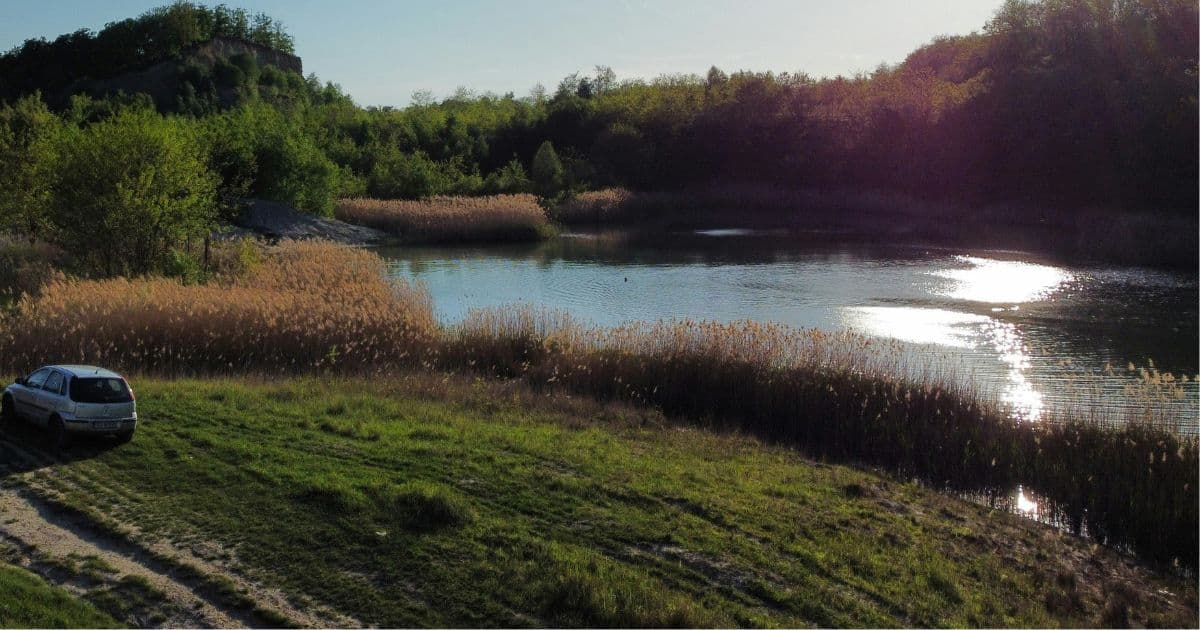
Do not unload by the car park just because it is flat. Walk the lake first. Look for shows, like carp rolling, bubbles, coloured water or reeds knocking. In warm weather a new wind often beats a pretty swim; in cold or bright high pressure the fish may be in shelter or up in the water instead. Pick a swim near a feature you can actually present to (an island face, a margin shelf, overhanging trees) and you have done most of the work before the first cast. There is a fuller method in how to read a carp lake.
A productive day is usually decided in the first hour, not by a clever rig at 4pm.
On a busy water, etiquette is part of catching. Do not cut across someone else's island line; keep the radio down; if you are barrowing through, give occupied swims a wide berth. Carp feel bank traffic in the edge.
This is the part that used to mean phone calls and out-of-date forum posts. On LakeBooking you can search carp lakes by region, see which ones sell day and overnight permits, read reviews, check live availability and book the date you want.
Start from carp fishing in Romania, browse lakes, or filter search by carp. On each listing, recent catch reports (where the host has them enabled) tell you more about current form than a year-old forum thread. New to booking online? Finding the right lake and making a booking walk through it.
Run a lake yourself? You can list your water on LakeBooking and take bookings from anglers already looking for a session.
Do I need a permit for day ticket carp fishing? On a private lake you pay the lake's own day or session permit and follow its rules. On public water such as rivers or the Danube you need a recreational fishing permit and must respect the close seasons. Always check the current rules before you travel.
What is the difference between a day permit and a membership water? A day permit lets you pay and fish for a set period with no commitment. A membership is a fixed yearly arrangement on a usually quieter, bigger-fish lake. Day permits are the better place to start.
Can you fish overnight on a day ticket? On many lakes, yes, usually sold as a 24, 48 or 72-hour ticket. Some are day-only. Check the venue's rules before booking, and only fish nights once you are set up to do so safely.
How much does day ticket carp fishing cost? It varies widely by lake and whether you fish days or nights. The price is set by each venue, and you can compare current rates on each lake's page on LakeBooking.
What bait is best for a day session? A quality boilie in 15 to 18mm, matching pellet and sweetcorn will catch on almost any carp lake through most of the year. Scale bait down in winter.
What rig should a beginner use? A simple short hair rig with a single bottom bait on a size 8 barbless hook, fished over a small bed of bait. Master one rig you trust before trying anything fancier.
When is the best time of year to start? Late spring through summer. The weather is kinder, carp feed confidently, and a well-stocked lake will give you plenty of bites to learn from.

About the author
Alex Marin
Carp angler & contributor
Alex has carp-fished for more than 20 years on private lakes, reservoirs and rivers in Romania and across Europe. He writes about the tactics that actually get used on the bank.
Cookies on LakeBooking
We use strictly necessary cookies to sign you in and process payments securely. Optional ones (interactive maps and referral attribution) only run if you agree. Details in our Cookie Policy.