Carp Fishing
Carp Baiting Strategy: How Much to Feed and When
How much bait to use for carp, when to start small, when to build a spot, PVA vs spod, and how to read whether fish are actually eating what you put in.


Choosing the right area of the lake is watercraft. Choosing the right spot inside the swim is mapping. They are not the same job. Plenty of anglers walk the bank well, then ping three rigs into "the general area" and wonder why one rod does all the work.
You do not always need a marker float, a dedicated rod, or a sketched map that looks like a hydrographic survey. You do need to know, in a sentence, what is in front of you, meaning how deep it is, what the bottom feels like and where the clean bit is. Then you need to be able to put a bait back on that bit after a fish.
If you have seen carp bubbling on a patch, put a bait on that patch. Leading around on top of them is how you watch them leave. Mapping is for when you have chosen a swim by reading the lake and you still need a place to present.
Skip the full survey when:
Do it properly when:
On busy day-tickets, leading around at 11am in a swim that was occupied at dawn is also a courtesy issue. If you must, keep it short, then fish. You can refine on recasts.
A bare lead on a braid or a leadcore-free leader, cast and drawn back, tells you more than a float if you learn the language:
Count the drop on a slack line (one-thousand, two-thousand). On a given lead, that count is consistent enough to compare left, right and further out. You are not measuring metres for a report. You are finding the difference.
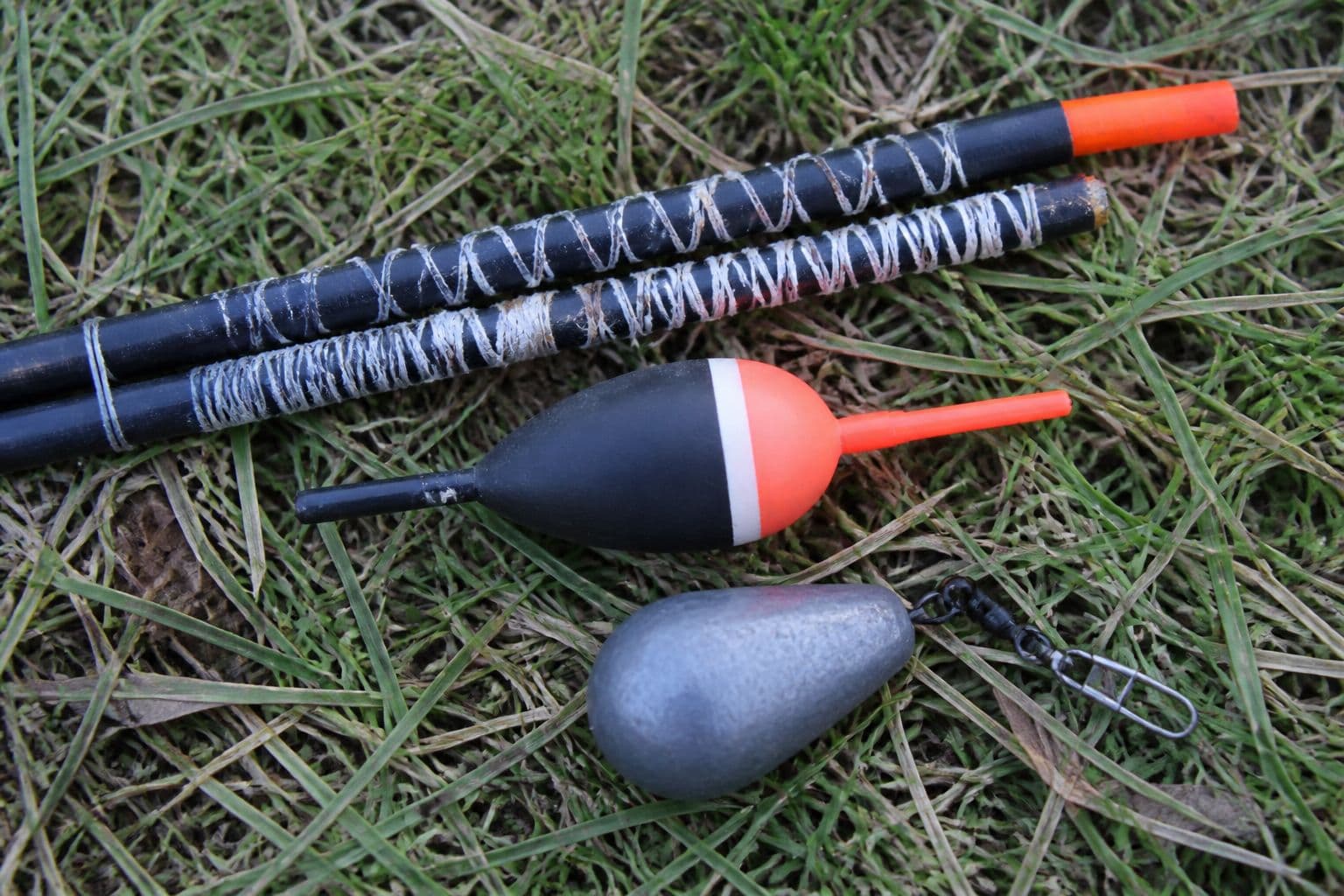
A marker float is worth it when you need a visual to spod to, or when you want to clip up a precise range and see it. It is extra kit, extra disturbance, and on a small pressured lake it can educate every carp in the bay. Many good anglers map with a fishing rod, clip up, wrap the distance, and never put a float up.
If the lake bans marker floats, that is your answer. A fishing lead is still legal almost everywhere.
You do not need three different spots for three rods. Two rods on one good spot and one searching (a zig, a margin, a different range) is often better than three mediocre casts.
How you bait that spot comes after. Mapping first, then a trap, then a build if they respond, not a spomb cocktail onto a bottom you have never felt.
| You feel | Typical presentation | Typical mistake |
|---|---|---|
| Clean gravel / clay | Bottom bait hair rig, lead clip or inline | Ignoring the silt next to it, where they often feed |
| Light silt | Balanced bait, snowman, or a bag that sits together | A heavy boilie buried; too much crumb that disappears |
| Silkweed / light Canadian | Pop-up or chod-style (if rules allow), or find the hole | Fishing a bottom bait you never see again |
| Heavy weed / snags | Go around, or a close-range edge you can land from | Hero casts into unlandable water |
| Sharp bar | The back or the first drop, not always the crown | Every rod on the very top, where they get lined |
Rules override all of this. Whether it says barbless, no leaders or no chod, the lake's board wins. The four core rigs cover most of the bottoms above.
This is the part that separates "I had a take out there" from a repeatable method.
At night, the map is all you have. That is one reason a first overnight is easier on a swim you mapped in daylight.
A small, well-stocked beginner water with visible gravel and a clean margin can be fished by eyes alone. Mapping becomes the difference on bigger, weedy, or coloured lakes, the kind of session where "chuck it in the middle" is a hope, not a plan.
If you are choosing a lake for a longer session, look at the listing photos and description for bars, islands, weed and average depth. Search carp lakes or open carp fishing in Romania and pick a water where the features in the pictures match the kind of mapping you actually want to do. Swim photos on the lake page are a head start; they are not a substitute for the lead.
Do I need a marker float to feature-find? No. A bare lead and a consistent drop-count will find depth and bottom. Use a marker when you need a visual to bait to and the disturbance is worth it.
How long should mapping take? Until you can describe one spot in a sentence. On a simple swim that can be a handful of casts. If it is taking most of the morning, fish a trap on the best thing you have already felt.
What lead should I use? Something you can feel, often 2.5 to 3.5oz, in a shape that will not roll off a bar too easily. The fishing lead you already own is enough to learn on.
Should I map at the start of every session? Map when the swim is new or weed has changed. If you wrapped it last night and nothing has moved, a confirmation cast is enough.
What if the whole swim is silt? Then silt is the swim. Fish a presentation that does not bury, put less bait in, and look for the slightly firmer or shallower line, the place where silt meets a shelf or a tiny bar.

About the author
Alex Marin
Carp angler & contributor
Alex has carp-fished for more than 20 years on private lakes, reservoirs and rivers in Romania and across Europe. He writes about the tactics that actually get used on the bank.
Carp Baiting Strategy: How Much to Feed and When
How much bait to use for carp, when to start small, when to build a spot, PVA vs spod, and how to read whether fish are actually eating what you put in.
Are Fishing Lakes Profitable? A 2026 Profit Model for Owners
A 2026 profit model for a fishing lake, with real session prices, the cost of fish, staff and power, the occupancy you need to break even, and the levers that raise profit.
Cookies on LakeBooking
We use strictly necessary cookies to sign you in and process payments securely. Optional ones (interactive maps and referral attribution) only run if you agree. Details in our Cookie Policy.