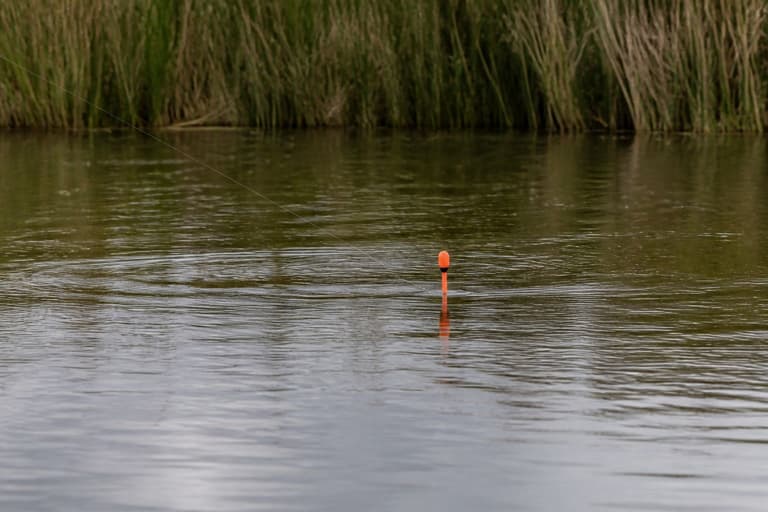
Carp Fishing
How to Map a Carp Swim: Feature Finding That Helps
How to use a lead (and a marker if you need one) to find depth, silt, gravel and weed, then put a hookbait on a spot you can hit again.


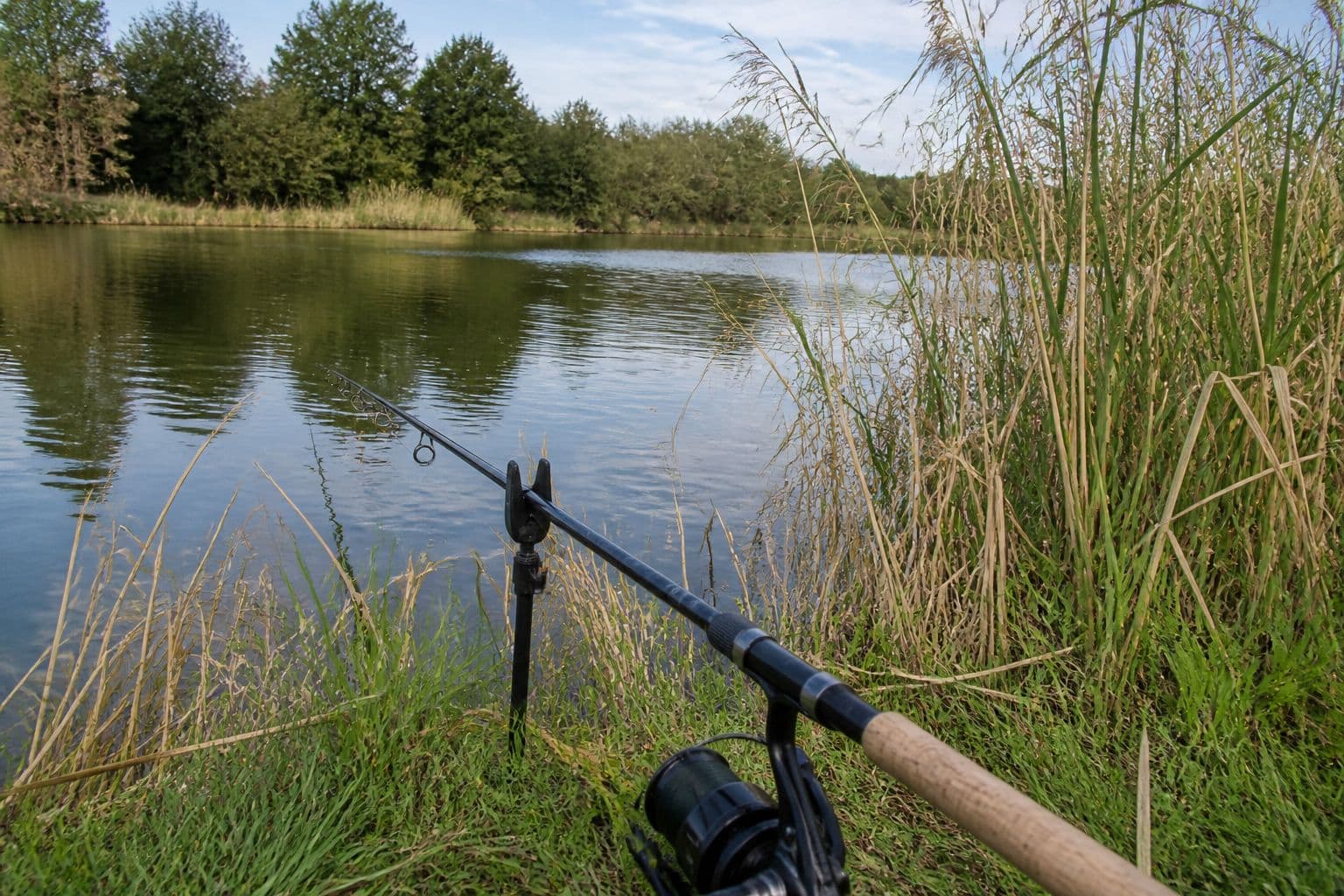
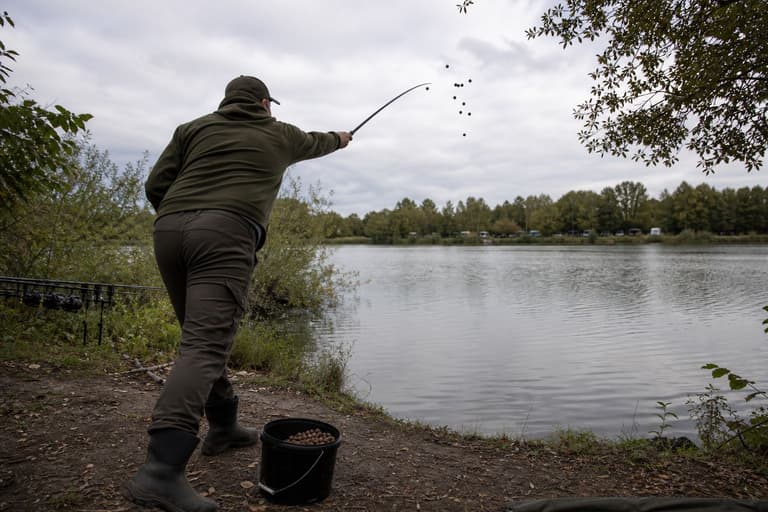
On a busy carp lake, the longest cast is often the most popular one. The water under your rod tip is the most ignored. Carp know this. They use the edge for food, for shade, and as a patrol route, especially when the middle of the pond is a fan of tight lines.
Margin fishing is not a trick for when you cannot cast. It is a method built on short range, a quiet bank and bait they can find without a procession of spods over their heads.
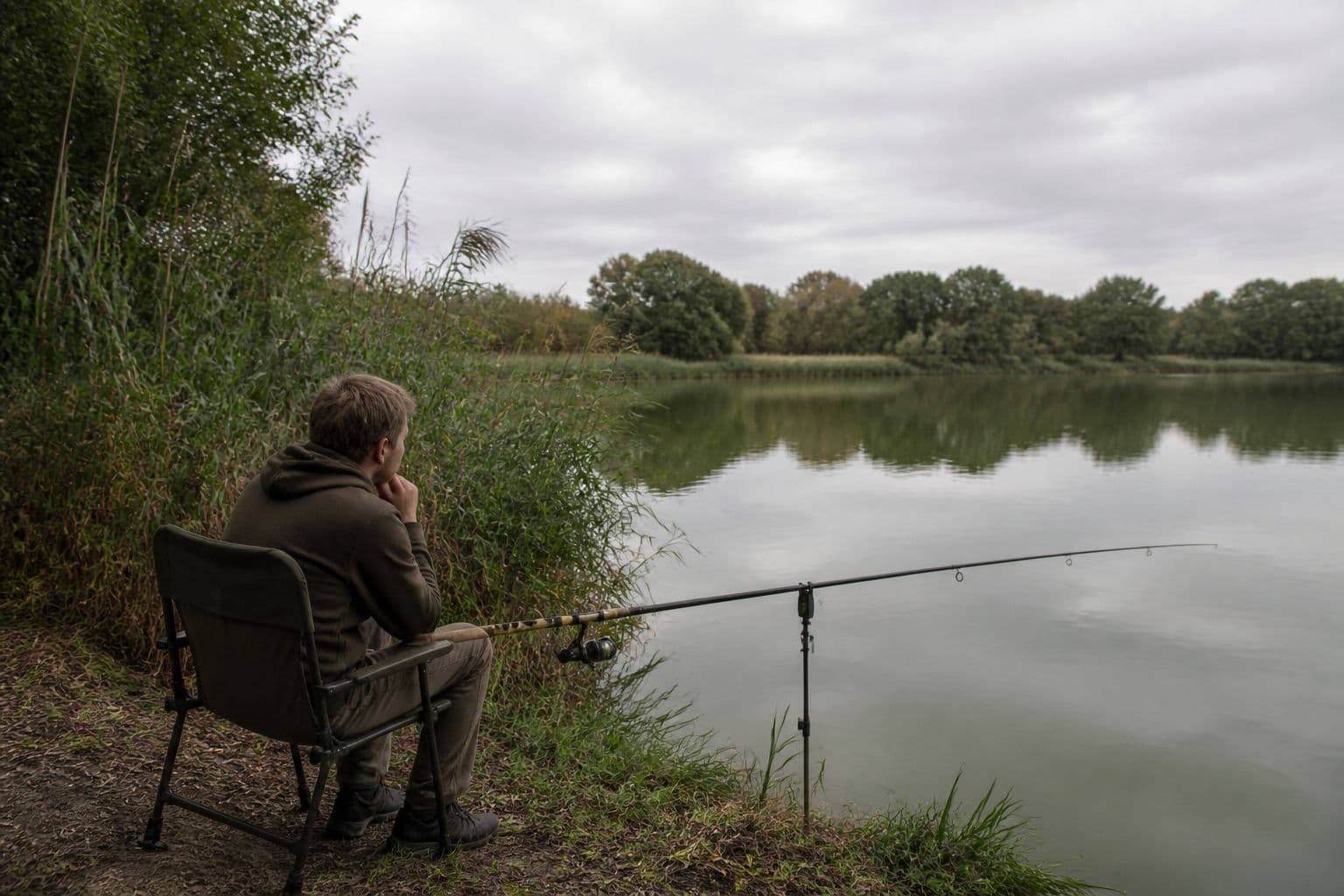
A margin is a depth change plus cover plus food. With leaves, insects, bait other anglers threw in and never fished, and silt that collects at the bottom of the shelf, it is a larder. In summer it is also shade and, at night, a place carp feel they can move without crossing three other people's lines.
They will not sit in the edge if you are standing over them. The whole method collapses if the bankcraft is sloppy. Polaroids on, keep off the skyline, do not stamp around the wet earth at the waterline. If you can see them, they have usually seen you first.
You will catch more in the margin when:
You will catch less when you drop a bait in the edge of a swim you have just spent twenty minutes assembling a bivvy in, with the barrow parked in the water. That margin is closed until the fish forget you. Fish a different edge (down the side, around the bushes, the next little bay) or wait until dark.
Your own swim's near margin is the strip from the bank out to the first drop-off, often only a rod-length or two. On many private lakes that shelf is where leftover bait collects. A single hookbait here, fished after the swim has gone quiet, accounts for a stupid number of "where did that come from" fish.
A far-bank or side margin you can present to without sitting on top of it, such as an island face, the rushes across a narrow bay or the tree line down to your left. This is still margin fishing. The fish are relating to the edge; you just are not standing on it. It is often the better option on a pressured water because you can stay still.
If the lake rules allow only a limited number of rods, putting one of them on an edge is the percentage play. Two or three rods in the same bit of open water is not coverage. It is repetition.
The mistake is treating a margin like a 72-hour spot. You do not need a kilo of boilies in three feet of water that carp will visit on a circuit.
If you see fish and they ignore a baited patch, they may not be feeding on the bottom. They may be passing. A hookbait dropped in front of them on the next circuit, with no extra feed, is a different tactic from building a spot.
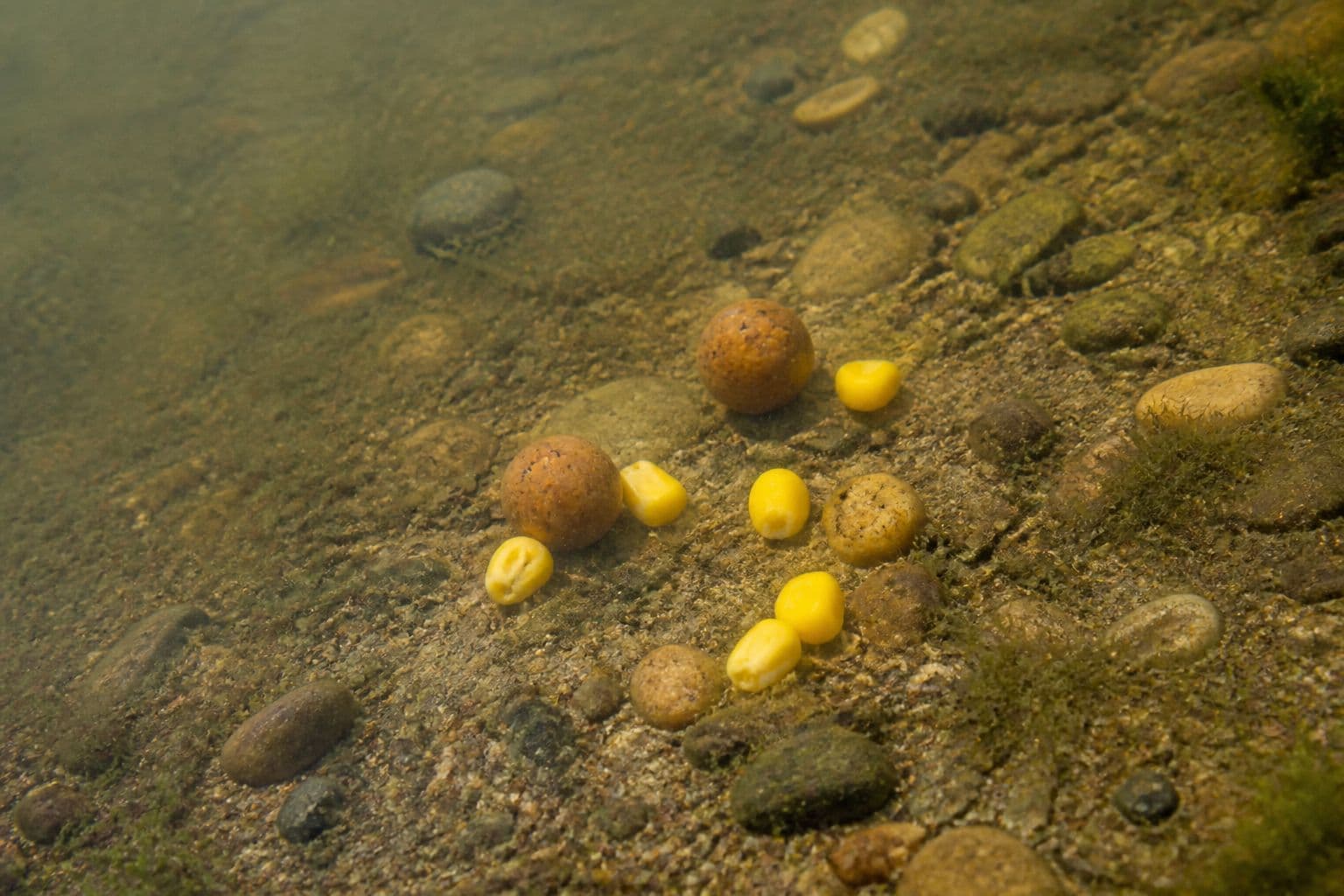
In the edge, carp have time to look. They also feel every footstep.
Bite indication at short range can look like nothing. A tight clutch and a heavy bobbin will pull a hook out of a fish that has barely moved. Give them line, watch the tip, be ready. In the edge the take is often a slow lift or a fish kiting along the bank, not a screaming run out into the pond.
Sit back. Wear colours that do not flash. Keep the landing net ready before you need it so you are not rummaging at the moment a fish is in the edge. Head torch on red or off until the fish is in the net if you are on a night session. Voices carry across water better than you think.
If you can see carp in the edge and they are not spooking, you are doing it right. If they flare and leave, you are too close or too loud. Come back later, or fish the next bush along.
This is also why margin fishing pairs with reading the lake. The walk at the start is when you find the quiet bay. Setting up first and then "trying a cheeky one in the edge" is fishing a margin you already disturbed.
On a beginner-friendly lake this is often how first carp actually get caught, not at range but in the bit of water everyone walked past.
Browse carp lakes and look at swim photos for platforms tight to rushes, tree-lined bays and islands you can fish the face of. Those listings are telling you the edge is a feature. Carp fishing in Romania is full of small and medium bălți where the long chuck is optional.
How close is "margin fishing"? From under the rod tip out to the first drop-off, or any bait presented to an island, reed or tree line the fish are using as an edge. Range is not the definition; the feature is.
Will a lead spook carp in the edge? A heavy lead landed on their heads will. A light lead lowered in, or a bag, usually will not. Accuracy and quiet beat distance.
What bait works best in the margins? The same baits as everywhere (boilies, corn, a bit of pellet) in smaller amounts. Bright single hookbaits catch passing fish; a light scatter of feed holds them if they want to stay.
Can beginners fish the margin? Yes, and they often should. Less casting, clearer bites if you watch the rod, and you learn to look at the water. The beginners' guide still applies for kit and handling.
Do I fish the margin at night? Often it is better at night, once the bank has gone quiet. Light discipline matters more than extra bait.

About the author
Alex Marin
Carp angler & contributor
Alex has carp-fished for more than 20 years on private lakes, reservoirs and rivers in Romania and across Europe. He writes about the tactics that actually get used on the bank.
Carp Fishing Weather: Wind, Pressure and Temperature
How wind, air pressure, rain and water temperature change where carp sit and how they feed, and what to do when the forecast looks "wrong".
Carp Baiting Strategy: How Much to Feed and When
How much bait to use for carp, when to start small, when to build a spot, PVA vs spod, and how to read whether fish are actually eating what you put in.
Cookies on LakeBooking
We use strictly necessary cookies to sign you in and process payments securely. Optional ones (interactive maps and referral attribution) only run if you agree. Details in our Cookie Policy.